Interior designers make beautifully designed spaces look effortless, but creating a stylish home takes careful planning, creativity and attention to detail. The good news is that you do not need an unlimited budget to achieve an impressive interior. With the right colours, textures, furniture and accessories, even a tired room can be transformed into a space that feels considered and inviting.
Whether you are refreshing a single room or gradually updating your entire home, small changes can make a significant difference. Rather than replacing everything at once, focus on the elements that have the greatest visual impact and work within your existing space.
Beautiful Interior Design on a Budget
The first step towards improving your home’s interior is finding inspiration. If you are unsure where to begin, spend some time looking through interior design magazines, websites, design blogs and platforms such as Pinterest. You will quickly start to notice particular styles, colours and layouts that appeal to you.
You may also find inspiration by following professional interior designers, including home interior designers in Melbourne, Sydney or on the Gold Coast. Seeing how professionals combine furniture, lighting, colours and textures can help you identify ideas that could work in your own home.
Find Your Interior Design Style
Before purchasing anything, think about the atmosphere you want to create. Do you prefer a modern and minimalist room, a warm and traditional space, or something more eclectic? Creating an inspiration or mood board can make this process much easier. Collect images of rooms, furniture, fabrics, artwork and colour combinations that you like. Look for recurring themes. You may discover that you consistently choose natural materials, neutral colours, bold patterns or particular styles of furniture.
This exercise can prevent unnecessary purchases and give you a clearer direction before you start spending money.
Use Colour and Texture
Colour is one of the most affordable ways to make a noticeable difference to a room. You do not necessarily need to repaint every wall. A feature wall, fresh coat of paint on existing surfaces or even a carefully selected collection of accessories can introduce a completely different atmosphere.
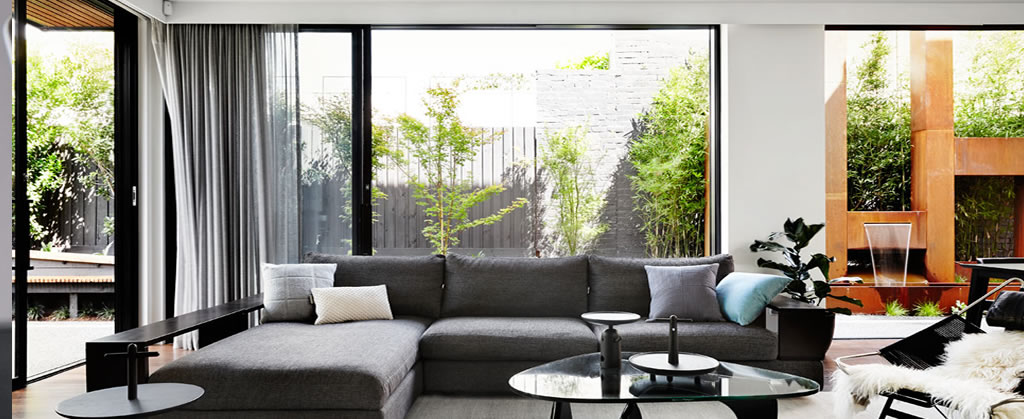
Texture is equally important. Curtains, cushions, rugs, throws and upholstered furniture can add warmth and depth without requiring a major renovation. Combining different textures can also make a room feel more sophisticated.
For example, smooth surfaces can be balanced with woven baskets, soft fabrics, timber finishes or natural fibres. The key is to create contrast while maintaining a consistent overall style.
Change Up Your Space Without Replacing Everything
Once you have established the colours and textures you want, look at what you already own. It is easy to assume that a new interior requires completely new furniture, but rearranging existing pieces can have a surprisingly dramatic effect. Try moving furniture away from walls, changing the direction of seating or creating a more defined conversation area. In smaller rooms, removing unnecessary furniture can make the space feel considerably larger.
Choose Statement Furniture Carefully
A well-chosen statement piece can give a room a strong focal point. This might be an interesting armchair, a distinctive coffee table, a large bedhead or an attractive sideboard. Rather than filling a room with numerous inexpensive decorative items, consider investing in one or two pieces that have visual impact. This can make the overall space appear more deliberate and expensive.
Balance is important. Too many small objects can make a room feel cluttered, while too little furniture can leave it feeling unfinished. Aim for a combination of practical furniture and carefully selected decorative pieces.
Refresh Existing Furniture
You can also give existing furniture a new lease on life. Repainting a cabinet, replacing drawer handles or changing the legs on a side table can create a new look at relatively little cost. Older furniture can sometimes become a feature rather than something that needs to be hidden. A timber cabinet, vintage chair or second-hand table can add character and prevent a room from looking overly matched.
Before buying something new, ask whether an existing item could be repaired, repainted, reupholstered or repositioned.
Add Decorative Details
Accessories are an effective way to introduce personality into an interior, but they should be used thoughtfully. Decorative bowls, baskets, indoor plants, flowers, candles and artwork can all contribute to the overall design. Coffee tables are particularly useful for displaying attractive books, a small plant or a carefully selected decorative object. Similarly, a sideboard or console can become a focal point with a combination of artwork, lighting and accessories.
The important principle is that less is often more. You do not need to fill every available surface. Leaving some areas clear gives the eye somewhere to rest and helps important pieces stand out.
Bring Nature Indoors
Indoor plants are another relatively inexpensive way to improve the appearance and atmosphere of a room. They introduce colour and organic shapes while helping to soften hard surfaces. If maintaining plants is difficult, choose low-maintenance varieties that suit the amount of natural light available. Even a small plant on a shelf or side table can make a noticeable difference.
Pay Attention to Lighting
Lighting is often overlooked when people redesign a room, yet it can have a major effect on how an interior looks and feels. Instead of relying on a single overhead light, consider using several light sources. Table lamps, floor lamps and wall lighting can create different levels of illumination and make a room feel warmer and more inviting.
Use lighting to highlight features you want people to notice, such as artwork, architectural details or a statement piece of furniture. Where possible, make the most of natural light by keeping windows clear and choosing curtains or blinds that allow appropriate levels of daylight into the room.
Make Changes Gradually
Interior design does not have to be a race. In fact, making changes gradually can help you avoid expensive mistakes. Start with one room or one particular area. Establish your preferred colour palette, identify what needs to change and then make improvements one step at a time. Live with the changes for a while before deciding what to add next.
This approach also makes it easier to control your budget. Instead of purchasing everything in one shopping trip, prioritise the pieces that will make the biggest difference and look for affordable alternatives for less important items.
Set a Budget Before You Shop
A simple budget can prevent an interior design project from becoming unnecessarily expensive. Divide your spending into categories such as paint, furniture, lighting, textiles and accessories. You can then decide where it makes sense to spend more and where you can save. For example, you might invest in a quality sofa while choosing inexpensive cushions and decorative accessories.
Second-hand stores, online marketplaces, clearance sales and furniture outlets can also provide opportunities to find distinctive pieces without paying full retail prices. Always consider quality and condition rather than choosing an item solely because it is cheap.
Change Up Your Interior Today
Creating a stylish property interior does not require the budget of a professional design project. Research, planning and a little creativity can go a long way towards transforming your home. Start by identifying the styles and colours you like, then create an inspiration board to guide your decisions. Rearrange your existing furniture, introduce texture, improve your lighting and select a few statement pieces rather than filling the room with unnecessary objects. Most importantly, give yourself time. Great interiors are often developed gradually, with each change contributing to the final result.
With a little experimentation, you may find that creating beautiful spaces is easier than you expected. You might even discover a natural talent for interior design along the way.