Flowers are often treated as decorative accessories, but in modern interior design, workplace strategy, hospitality planning, and residential styling, they deserve a more serious role. A carefully chosen floral arrangement can influence mood, shape perception, support social connection, and improve the emotional tone of a space. For professionals working in design, real estate, wellness, hospitality, or corporate environments, flowers are not simply visual enhancements. They are sensory tools that help create healthier, more memorable, and more human-centered interiors.
Research into the emotional impact of flowers suggests that their effect is immediate and measurable. People commonly respond to flowers with genuine pleasure, visible positive emotion, and a heightened sense of connection. This matters because interiors are no longer judged only by their furniture, layout, or finishes. They are judged by how they make people feel. A home, office, clinic, hotel lobby, or dining space that incorporates flowers with intention can feel warmer, more refined, and more psychologically supportive.
Why Flowers Matter in Professional Interior Design
Biophilic design has become a major principle in architecture and interiors because it reflects a simple truth: people respond positively to natural elements. Greenery, daylight, organic materials, water features, and flowers can reduce the sterile quality of built environments. Flowers add an additional layer because they introduce color, fragrance, texture, seasonality, and symbolism. For designers working with flowers Sydney clients often expect arrangements that feel fresh, elegant, and suited to both modern interiors and the local lifestyle.
Unlike permanent décor, flowers are dynamic. They change with the season, the occasion, the brand message, and the emotional goal of a room. A corporate reception area may use sculptural orchids to communicate precision and sophistication. A wellness clinic may use soft lavender, white roses, or pale peonies to create calm. A restaurant may use low floral arrangements to elevate the dining experience without interrupting conversation. This flexibility makes flowers one of the most efficient design tools available to professionals.
Emotional Well-Being and Mood Regulation
Flowers can support emotional well-being in several ways. Their colors stimulate visual interest, their forms introduce softness, and their natural presence can create a sense of care. In residential settings, flowers often make a room feel lived-in and emotionally generous. In commercial settings, they help reduce the distance between a brand and the people experiencing it. The psychological value of flowers is especially relevant in high-stress environments. Offices, healthcare waiting rooms, hospitality spaces, and urban apartments often lack restorative cues. A floral arrangement can serve as a visual pause point, giving the eye and mind something organic to settle on. This does not mean flowers replace proper mental health care, ergonomic design, or environmental quality. Rather, they contribute to a broader atmosphere of comfort, calm, and emotional balance.
Flowers also encourage mindfulness. Practices such as flower arranging, including the Japanese art of Ikebana, invite people to slow down, observe proportion, appreciate negative space, and focus on the present moment. For professionals designing wellness programs, lifestyle brands, or premium residential experiences, this ritualistic dimension can be just as valuable as the finished arrangement.
Flowers and Workplace Productivity
Modern workplaces are increasingly designed around focus, creativity, and employee well-being. Flowers and plants can support these goals by making work environments feel less mechanical and more stimulating. Research associated with workplace settings has linked flowers and plants with creative problem-solving and improved idea generation. For design professionals, this suggests that natural elements should not be limited to waiting areas or decorative corners. They can be integrated into collaboration zones, executive offices, meeting rooms, and flexible workspaces.
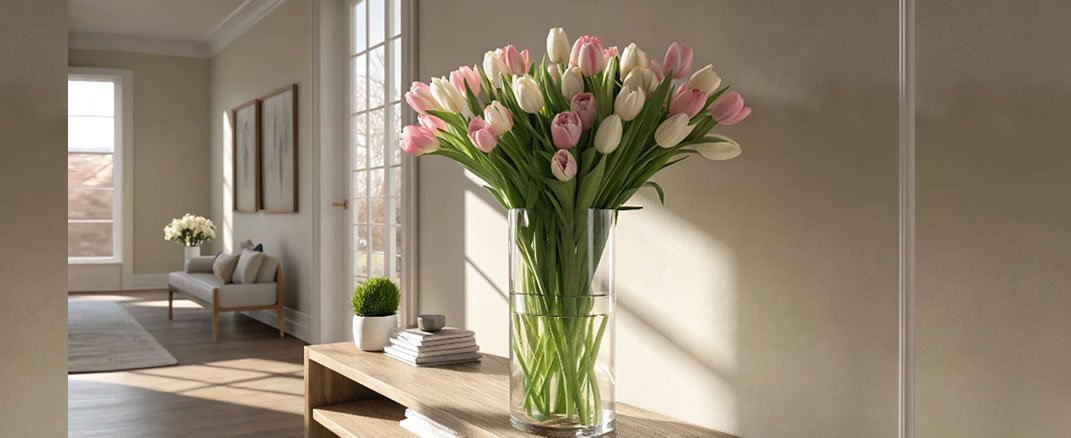
In a home office, flowers can help separate professional activity from domestic routine. Mini sunflowers, tulips, roses, or seasonal mixed stems can provide visual energy without overwhelming the desk. For leadership offices or client-facing workspaces, roses, anthuriums, orchids, and lilies can signal confidence, quality, and attention to detail. The key is restraint. Professional floral styling should enhance concentration, not compete with it.
Room-by-Room Floral Strategy
A successful floral design plan considers the function of each space. In the bedroom, the goal is usually rest, softness, and intimacy. Lavender, peonies, garden roses, and muted seasonal flowers work well because they create a gentle atmosphere. Strong fragrances should be used carefully, especially for people with sensitivities.
In the living room, flowers can become a focal point. Larger arrangements with layered textures can add depth to coffee tables, consoles, or mantels. Warm-toned flowers such as yellow roses, orange ranunculus, or sunflowers can make social areas feel energetic and welcoming. Cooler tones, including blue hydrangeas, purple irises, or pale lilacs, can create a more composed and reflective mood.
In kitchens and dining areas, flowers should feel fresh, clean, and practical. Daisies, tulips, freesias, and small garden-style arrangements can bring optimism to daily routines. Dining arrangements should remain low enough to allow eye contact across the table. In hospitality and event settings, this principle is essential because floral design should support conversation, not obstruct it. Entryways require special attention because they create the first emotional impression. Tall orchids, seasonal branches, lilies, or elegant mixed arrangements can make visitors feel welcomed before a word is spoken. For luxury properties, boutique hotels, spas, and professional offices, the entryway arrangement becomes part of the brand experience.
The Role of Color Psychology
Color is one of the most powerful aspects of floral design. Yellow and orange flowers tend to communicate warmth, optimism, and energy, making them ideal for kitchens, lounges, creative studios, and social spaces. Blue and purple flowers often feel calming, introspective, and refined, making them suitable for bedrooms, wellness rooms, consultation spaces, and quiet offices.
White and neutral flowers remain a favorite in professional interiors because they suggest cleanliness, sophistication, and timelessness. White orchids, roses, lilies, and anthuriums work especially well in minimalist, luxury, and corporate environments. Pink flowers can soften a room and introduce a sense of care, while red flowers create drama, romance, and intensity. The best designers do not choose floral colors randomly. They align them with the emotional function of the room.
Practical Considerations: Longevity, Maintenance,and Health
For professional use, flowers must be beautiful but also practical. Longevity matters in hotels, offices, retail spaces, and staged homes where arrangements need to remain fresh under frequent use. Anthuriums, orchids, chrysanthemums, carnations, and certain lilies are valued because they can last longer than more delicate blooms. Seasonal sourcing can also reduce cost while improving freshness. Indoor air quality claims around flowers and plants should be communicated responsibly. Some studies have shown that certain plants can remove pollutants in controlled environments, but typical buildings are more complex because ventilation, humidity, cleaning products, and occupancy all influence air quality. Professionals should present flowers primarily as emotional, sensory, and aesthetic contributors rather than as standalone air purification systems.
Maintenance is equally important. Wilted flowers communicate neglect, which can damage the impression of a space. Water should be changed regularly, stems should be trimmed, and pollen-heavy varieties should be used carefully in allergy-sensitive environments. In healthcare, childcare, pet-friendly, or food-service settings, flower selection should consider toxicity, scent intensity, pollen, and hygiene.